
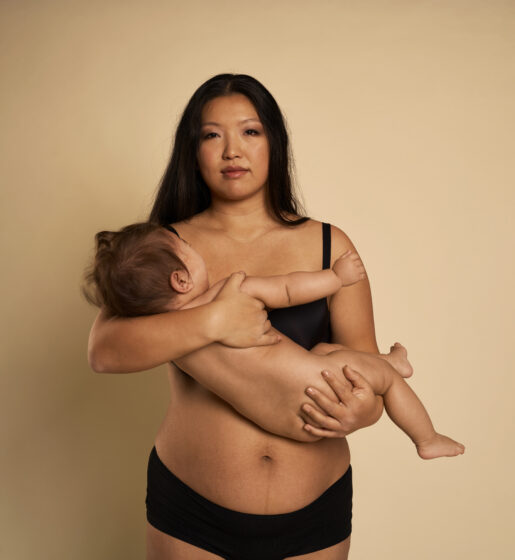
Bringing home a new baby changes almost every aspect of your daily routine, including how your body moves. While many women are eager to “get back to exercise,” postpartum recovery isn’t about jumping into intense workouts or doing endless crunches. Instead, it’s about rebuilding a strong foundation through movement patterns you’ll use every single day.
Here are five essential exercises that can help improve breathing, core coordination, posture, and strength during postpartum recovery.
1. 360° Diaphragmatic Breathing
If there is one exercise every postpartum mom should learn, it’s diaphragmatic breathing.
Pregnancy places significant demands on the diaphragm, abdominal muscles, and pelvic floor. Learning how to coordinate these muscles again is one of the most important steps in rebuilding your core.
As you inhale, allow your ribs to gently expand in all directions while your pelvic floor relaxes. During the exhale, allow your ribs to come back together as your deep abdominal muscles gently engage. Rather than sucking your stomach in, think about creating gentle support through your trunk while continuing to breathe normally.
Mastering this breathing pattern can improve posture, reduce unnecessary pressure on the pelvic floor, and provide a solid foundation for future strengthening exercises.
2. Hip Hinges
Whether you’re picking up your baby from the crib, lifting a car seat, or grabbing laundry off the floor, hip hinging is one of the most important movement patterns to master postpartum.
A proper hip hinge allows you to bend using your hips instead of placing excessive stress on your back or pelvic floor. It also strengthens your glutes and hamstrings, muscles that play an important role in supporting your pelvis and improving posture.
Practice pushing your hips back while maintaining a neutral spine and coordinating your breathing throughout the movement. Once mastered, this technique can easily be applied to everyday tasks.
3. Sit-to-Stands
Sit-to-stands may seem simple, but they’re one of the most functional strengthening exercises you can perform after pregnancy.
Every day, new moms repeatedly stand up while holding their baby, nursing, feeding, or soothing their child. This movement strengthens the glutes, quadriceps, and core while reinforcing healthy movement mechanics.
As you stand, try exhaling while gently engaging your core. This helps manage pressure through your abdomen and pelvic floor while building strength that directly translates into daily life.
4. Cat-Cow and Child’s Pose
Pregnancy and caring for a newborn often leave the body feeling stiff and tense. Long periods of feeding, carrying, rocking, and looking down at your baby can contribute to decreased spinal mobility and increased muscle tightness.
Gentle mobility exercises such as Cat-Cow and Child’s Pose encourage movement through the spine, ribs, and pelvis while promoting relaxation and diaphragmatic breathing.
Improving mobility throughout these areas may also help decrease tension in the abdominal wall and pelvic floor, making everyday movement feel more comfortable.
5. Farmer Carries
Carrying your baby is essentially one long functional workout.
Farmer carries are an excellent way to prepare your body for the physical demands of motherhood because they strengthen multiple muscle groups simultaneously while reinforcing proper posture and breathing.
Holding a weight at your side (or eventually applying the same principles while carrying your child), focus on standing tall, breathing normally, and maintaining gentle core engagement as you walk.
This exercise challenges your core, improves postural endurance, strengthens your grip, and helps prepare your body for the repetitive carrying that comes with caring for a growing baby.
Conclusion
Postpartum recovery isn’t about doing the most exercises, it’s about mastering the right ones.
Learning how to breathe, lift, squat, carry, and move efficiently creates a strong foundation for healing and makes everyday activities feel easier and more comfortable. These movement patterns not only help support your pelvic floor and core but also prepare your body for the physical demands of motherhood and a safe return to exercise.
If you’re experiencing pelvic pain, urinary leakage, feelings of heaviness, or you’re unsure how to safely return to activity after childbirth, a pelvic floor physical therapist can help develop an individualized plan based on your unique recovery goals.
Looking to optimize your well being with pelvic floor physical therapy? Reach out to us at Pelvic Health Center in Madison, NJ to set up an evaluation and treatment! Feel free to call us at 908-443-9880 or email us at [email protected]. We are in-network with several insurance plans and can help you confirm your benefits before your evaluation.
