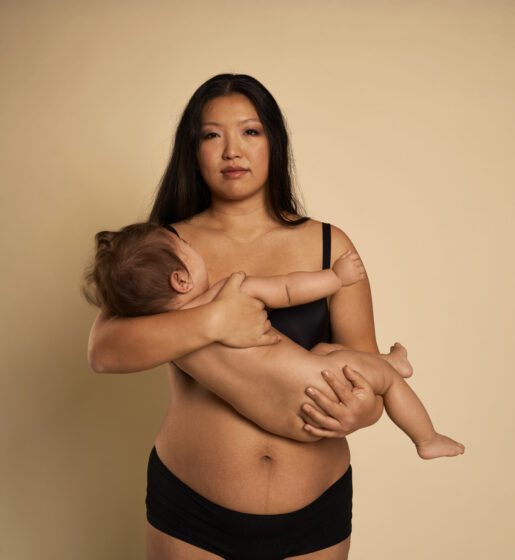
The phrase “bouncing back” after birth often appears in headlines and hashtags — but it can set unrealistic expectations. Your body has done something extraordinary, and recovery isn’t about getting “back” to where you were — it’s about rebuilding strength, function, and confidence safely.
Here’s what the science actually says about postpartum exercise — what’s effective, what’s safe, and what truly supports long-term well-being.
Your Body After Birth: What’s Going On
Pregnancy and delivery bring major changes:
- Hormones like relaxin loosen ligaments and joints for birth, but that flexibility can linger postpartum, increasing injury risk.
- Pelvic floor muscles stretch dramatically and may weaken, contributing to incontinence or pelvic heaviness.
- Abdominal muscles can separate (diastasis recti), affecting posture and core stability.
- Sleep loss, hormonal shifts, and fatigue affect energy, mood, and recovery.
Understanding these changes helps explain why slow, intentional movement matters far more than fast results.
When to Start Moving
0–2 Weeks: Gentle Mobility and Breathing
If you feel ready (and your doctor agrees), gentle movement can begin almost immediately. Focus on:
- Diaphragmatic breathing
- Gentle pelvic floor activation (Kegels)
- Light walking or stretching
These movements promote circulation, healing, and a mental health boost — not calorie burn.
If you had a C-section or complications, your healthcare provider will guide your timeline.
2–6 Weeks: Restoring Foundations
With medical approval, begin to restore core and pelvic floor function:
- Continue breathing and pelvic floor exercises
- Add gentle core stability (e.g., heel slides, glute bridges)
- Take short, low-intensity walks
A pelvic health physiotherapist can assess how your body is recovering — especially abdominal separation and pelvic floor strength — and tailor your plan.
After 6 Weeks: Gradual Progression
At your postpartum checkup, your provider may clear you for structured exercise. That doesn’t mean jumping straight into high-intensity training.
Research shows that gradual, moderate physical activity postpartum can improve cardiovascular fitness, energy levels, and mental health.
For example, a 2022 systematic review and meta-analysis in Frontiers in Psychiatry found that physical activity reduced the risk of postpartum depression across more than 186,000 women worldwide. Similarly, studies reviewed by Davenport and colleagues (2019) in the British Journal of Sports Medicine confirm that regular, moderate-intensity exercise during and after pregnancy is generally safe and beneficial when appropriately progressed.
Focus areas to start:
- Core and pelvic floor strength (bridges, planks on knees, bird-dogs)
- Low-impact cardio (walking, cycling, swimming)
- Progressive strength work (bodyweight, resistance bands, light weights)
- Mobility and mindfulness (yoga, Pilates)
Avoid running, jumping, or heavy lifting until your pelvic floor and core control are well-established — often several months postpartum.
Why Exercise Matters for Mind and Body
Exercise postpartum isn’t only about physical recovery. It also supports mental health and emotional well-being:
- Reduces symptoms of postpartum depression and anxiety
- Improves sleep quality and energy levels
- Enhances self-confidence and mood regulation
Even short bouts of movement — like a 15-minute walk or a few minutes of deep breathing — can make a difference.
“Bouncing Back” vs. Moving Forward
Instead of “getting your body back,” think of it as moving forward. Your body has adapted and accomplished something extraordinary.
Postpartum recovery isn’t a race — it’s a rebuilding process. Your goal isn’t to erase what your body has done, but to reclaim strength, stability, and self-trust in your new chapter.
Quick Reference: What’s Safe and What to Wait On
| Focus | Safe Early Options | Wait / Progress Gradually |
| Timing | Gentle movement when cleared by your provider | Intense workouts before clearance |
| Core | Deep breathing, pelvic floor engagement | Crunches/sit-ups with diastasis recti |
| Cardio | Walking, low-impact cycling | Running, jumping until pelvic floor stable |
| Strength | Bodyweight, bands, light resistance | Heavy lifts before foundational strength |
| Mindset | Compassionate progress tracking | Comparison and “bounce back” pressure |
Postpartum exercise is not about perfection — it’s about progress with patience.
The best approach is one that:
- Prioritizes healing and pelvic health
- Progresses gradually
- Supports mental and physical well-being
- And above all, listens to your body
You’ve already done something extraordinary — now it’s about supporting your body as it continues to adapt and strengthen, one mindful step at a time.
Looking to optimize your well being with pelvic floor physical therapy? Reach out to us at Pelvic Health Center in Madison, NJ to set up an evaluation and treatment! Feel free to call us at 908-443-9880 or email us at [email protected]