
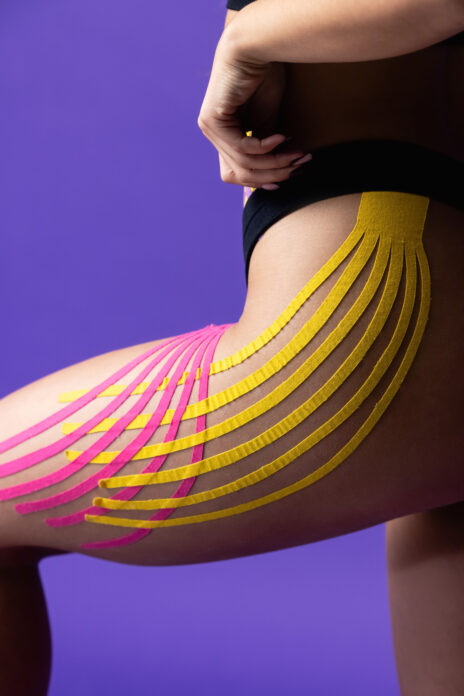
When most people think of a pulled hamstring, aka a strain, they picture a sharp pull in the back of the thigh while sprinting, lunging, or reaching for something quickly. What often gets overlooked is how this seemingly “leg-only” injury can influence other parts of the body, especially the pelvic floor.
The body works as an integrated system. A strain in one muscle group rarely exists in isolation. The hamstrings, pelvis, hips, and pelvic floor are interconnected through shared structures, movement patterns, and compensations. Let’s break down how a hamstring strain can ripple upward and affect pelvic health.
1. The Hamstring–Pelvis Connection
The hamstrings originate at the ischial tuberosities (the “sit bones”) of the pelvis. This is the same bony area where key pelvic floor muscles attach. When the hamstrings are injured or tight, they can change the way the pelvis is positioned:
-
A shortened hamstring can pull the pelvis into a posterior tilt (tucking under).
-
An inhibited or weak hamstring may allow the pelvis to tilt forward (anterior tilt).
Both scenarios disrupt the normal balance of forces around the pelvis, and that means the pelvic floor is affected.
2. Compensation and Pelvic Floor Strain
When the hamstrings can’t fully do their job, other muscles step in to compensate. Often, the pelvic floor muscles, hip adductors, and glutes take on extra load. Over time, this can lead to:
-
Overactivity (tightness) of the pelvic floor, as it tries to stabilize the pelvis.
-
Weakness or inhibition, if the nervous system down-regulates pelvic floor activation to protect the injury site.
-
Increased pressure management issues, like leaking with cough or exercise, because the pelvic floor isn’t coordinating properly with the core and hips.
3. Gait and Movement Changes
After a hamstring strain, many people unconsciously change how they walk, squat, or bend to avoid pain. These altered patterns shift force through the pelvis in unusual ways. The pelvic floor may be under- or over-recruited during simple tasks like walking or sitting. If left unchecked, this can contribute to:
-
Low back discomfort
-
Tailbone pain
-
Urgency or stress incontinence symptoms
4. The Role of Scar Tissue and Fascial Connections
Hamstring strains often involve microtears in muscle fibers that heal with scar tissue. The fascia—the connective tissue that wraps muscles and links the hamstrings to the pelvis and pelvic floor—can stiffen. This stiffness reduces mobility in the entire posterior chain (hamstrings, glutes, low back, pelvic floor), creating a sense of tightness or imbalance that goes beyond the injured muscle.
5. Supporting Recovery for Both Hamstrings and Pelvic Floor
Rehab should look beyond the hamstring itself. A comprehensive approach includes:
-
Gentle mobility work for the hamstrings, hips, and pelvis.
-
Core and pelvic floor exercises that restore coordination (not just “Kegels,” but functional strengthening and relaxation).
-
Glute activation to support the hamstrings and reduce pelvic floor overload.
-
Breath training to reconnect diaphragm and pelvic floor mechanics.
By addressing both the hamstring and the pelvic floor, you’re not only speeding up recovery, you’re preventing future issues like recurring strains, pelvic pain, or leaking.
Takeaway: A hamstring strain doesn’t just affect your thigh, it can alter the way your pelvis moves, which directly impacts pelvic floor health. If you’ve had a hamstring injury and are noticing new pelvic symptoms, it’s worth checking in with a pelvic floor physical therapist.
Looking to optimize your well being with pelvic floor physical therapy? Reach out to us at Pelvic Health Center in Madison, NJ to set up an evaluation and treatment! Feel free to call us at 908-443-9880 or email us at [email protected].