
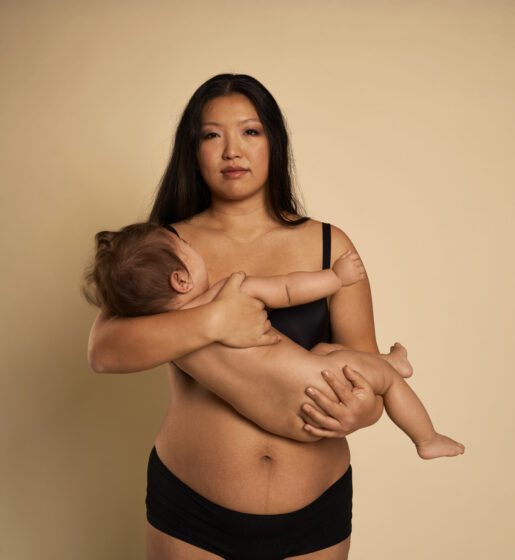
Bringing a baby into the world is one of the most transformative experiences a woman can have—physically, emotionally, and mentally. Yet, many women are surprised by how different their bodies feel after childbirth. Issues like bladder leakage, pelvic pressure, painful intercourse, and core weakness are common, but they are not something you just have to “live with.”
Pelvic Floor Physical Therapy (PFPT) can play a life-changing role in reversing postpartum changes and helping you return to your previous level of strength, comfort, and confidence.
Understanding the Pelvic Floor
Your pelvic floor is a group of muscles, ligaments, and connective tissues that support your bladder, uterus, and rectum. During pregnancy and childbirth, these tissues stretch and sometimes tear to make room for your baby. This stretching, combined with hormonal changes and the weight of pregnancy, can weaken the pelvic floor and disrupt the connection between your core and the rest of your body.
Common Postpartum Challenges
After birth, you may experience:
- Urinary or bowel leakage (stress or urge incontinence)
- Pelvic organ prolapse (a feeling of heaviness or bulging)
- Pain with intercourse
- Abdominal separation (diastasis recti)
- Low back, hip, or pelvic pain
- Core weakness and posture changes
These issues can affect your confidence, your ability to exercise, and even your day-to-day comfort. The good news? They are highly treatable with targeted pelvic floor rehabilitation.
How Pelvic Floor PT Helps Reverse Postpartum Damage
Pelvic floor therapists are specially trained to evaluate and treat the musculoskeletal and neuromuscular changes that occur after childbirth. A typical therapy plan may include:
1. Comprehensive Assessment
Your therapist will evaluate how your pelvic floor muscles are functioning—checking for weakness, tension, scar tissue, and coordination. They’ll also assess your breathing patterns, posture, and abdominal wall integrity.
2. Customized Exercise Program
Gentle, progressive exercises retrain your pelvic floor and deep core muscles to work together again. These may include breathing techniques, Kegels (done correctly!), and functional strengthening to support your daily activities.
3. Scar Tissue and Manual Therapy
If you had a C-section, episiotomy, or tearing, manual therapy can reduce scar tightness and restore tissue mobility, which often relieves pain and improves muscle activation.
4. Education and Lifestyle Guidance
You’ll learn how to lift, carry, and move in ways that protect your healing body—and how to safely return to activities like running, yoga, or strength training.
The Healing Timeline
Every woman’s recovery is unique, but many notice improvements in strength and bladder control within a few sessions. With consistent therapy, you can expect to:
- Reconnect with your core and pelvic floor
- Eliminate or greatly reduce leakage
- Restore pain-free intimacy
- Improve posture and stability
- Regain confidence in your body
Why Early Intervention Matters
Starting pelvic floor therapy within the first few months postpartum leads to the best outcomes—but it’s never too late. Even years after childbirth, women can experience significant improvement in symptoms and quality of life.
Your postpartum body is resilient. With the right support, it can heal fully and even emerge stronger than before. Pelvic Floor Physical Therapy doesn’t just “fix problems”—it helps you rebuild your foundation, reverse the effects of pregnancy and delivery, and reclaim your sense of vitality and wellbeing.
If you’re experiencing discomfort, weakness, or changes that don’t feel “normal,” reach out to a pelvic floor specialist. Recovery is possible—and you deserve to feel at home in your body again