
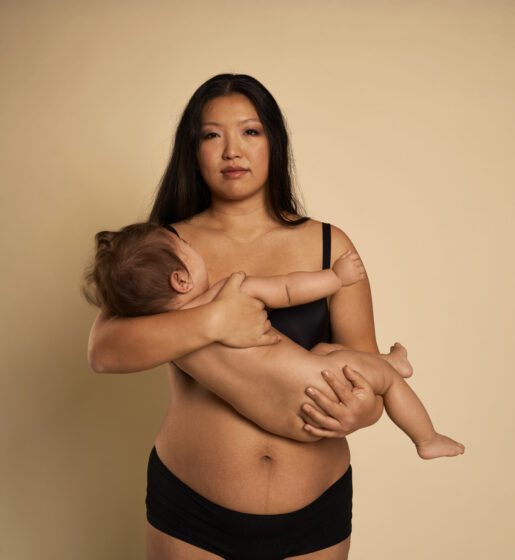
Bringing new life into the world is extraordinary, but the physical toll it takes on a mother’s body is often underestimated. Pregnancy and childbirth create dramatic shifts in posture, muscle strength, and alignment that can linger long after delivery. That’s why physical therapy after birth—often referred to as postpartum physical therapy—is not just about healing from delivery, but also about rebuilding a healthy foundation, starting with posture.
Why Posture Matters After Birth
1. Your Body Has Changed—A Lot
During pregnancy, your body adapts to carry the growing weight of your baby. This typically leads to:
- A forward tilt of the pelvis
- An exaggerated arch in the lower back (lordosis)
- Rounded shoulders and forward head posture due to breast size changes and baby-carrying positions
These changes shift your center of gravity and place excess stress on muscles and joints. After birth, if these postural habits continue unchecked, they can lead to pain, dysfunction, and long-term musculoskeletal issues.
2. Posture Affects Core and Pelvic Floor Recovery
Proper alignment is essential for the core and pelvic floor muscles to function correctly. After delivery, these muscles are often weakened or stretched. Poor posture can:
- Inhibit their healing
- Lead to issues like diastasis recti (abdominal separation), pelvic organ prolapse, or incontinence
- Cause ongoing back, neck, and hip pain
Restoring good posture supports the reactivation of these deep stabilizing muscles, improving both function and strength.
3. It Supports Breastfeeding and Baby Care
Feeding your baby (especially breastfeeding) often involves long hours in unsupported positions. Slouching or hunching over can cause:
- Upper back and neck strain
- Tension headaches
- Wrist and shoulder pain
Postural training helps you learn how to hold and feed your baby in ways that protect your body—so you can focus on bonding without pain.
4. It Prevents Chronic Pain and Injury
Many postpartum women experience persistent back pain, hip pain, and even nerve impingement, often rooted in poor postural mechanics. Without correction, these issues can become chronic. Physical therapists can:
- Assess your unique posture
- Provide targeted exercises and manual therapy
- Help you re-learn healthy movement patterns
By addressing posture early, you reduce the risk of future injury and discomfort.
What Postpartum Physical Therapy Involves
Postpartum physical therapy is more than just a set of exercises—it’s a personalized plan to restore your body. When it comes to posture, therapists typically focus on:
- Postural assessments to identify imbalances
- Breathwork and core engagement to retrain deep stabilizing muscles
- Mobility and strengthening for hips, shoulders, and spine
- Education on baby-carrying, feeding, and lifting techniques
Final Thoughts
Posture may seem like a small detail, but it plays a major role in postpartum recovery. Addressing it through physical therapy not only helps relieve pain and dysfunction but also empowers new mothers to move confidently and comfortably in their new role.
If you’re navigating life after birth, don’t wait for problems to appear before seeking support. Postpartum physical therapy that includes postural correction can make all the difference in your recovery—and your long-term health.